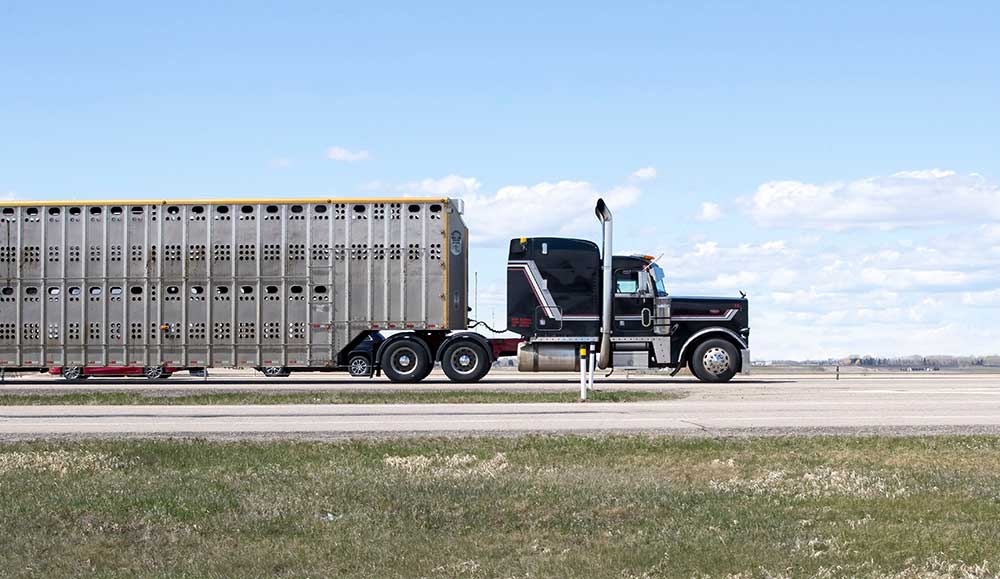
Lubricant and fuels distributors are outgrowing legacy transportation management software because most of it was built to move bulk fuel from rack to tank. It wasn't designed for mixed bulk and packaged orders, dense multi-stop lubricant routes, diesel exhaust fluid (DEF), and keep-full programs on the same truck.
Most dispatch software in the petroleum distribution world was built for one job: move gallons of fuel from a terminal to a tank. For years, that was the business.
It isn't anymore. In 2026, a typical distributor might deliver diesel, gasoline, DEF, bulk motor oil, hydraulic fluid and pallets of packaged lubricants, sometimes on the same truck and the same route. They track customer tank levels, manage consigned inventory and run service calls.
The software didn't change with them. That's why a growing number of lubricant and fuels distributors are finding that the transportation management system (TMS) they've run for a decade has become the bottleneck.
How Were Legacy Fuel TMS Platforms Built?
The first generation of petroleum dispatch software was designed around a simple, high-volume pattern. Load a compartmented tanker at a rack, drive to one or two sites, drop gallons, repeat.
That design shows up in a few core assumptions:
- One unit of measure. Everything is gallons (or litres). A drum, a tote or a case of quarts doesn't fit the model
- Bulk only. Orders are compartment fills, not line items with stock keeping units (SKU's), quantities and packaging
- Terminal to tank. The trip starts at a rack and ends at a tank. Warehouse picks, mixed pallets and returns of empty totes aren't part of the flow
- Few stops, big drops. Routing is tuned for a handful of large deliveries, not a dozen small ones across a commercial route
- Separate telemetry. Tank telemetry sits in a separate system, so volumes and reorder points are calculated outside the TMS
Those assumptions made sense for a pure fuel jobber. They break down quickly for everyone else.
How Has the Lubricant and Fuels Distribution Business Changed?
Distributors have been diversifying for years, and the reasons are mostly about margin. Fuel is a high-volume, thin-margin product. Lubricants, DEF and services carry better margins and stickier customer relationships.
The result is a very different operation:
- Lubricants alongside fuel. Many fuel distributors added lubricants, and many lubricant distributors added fuel. Consolidation has blended the two even further
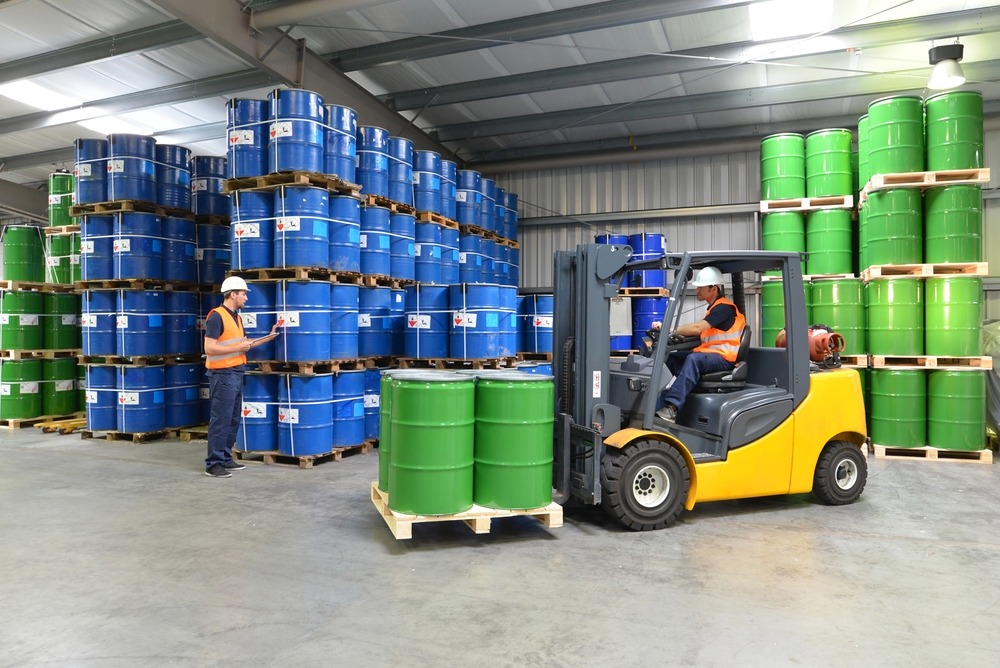
- Bulk, tote and packaged together. A single customer might take bulk engine oil into a tank, plus drums of hydraulic fluid and cases of grease
- More SKU's, more stops. A lubricant route can have dozens of products and many small commercial and industrial deliveries a day
- DEF as a staple. Diesel exhaust fluid now rides on many routes, in bulk, totes and jugs
- Service and inventory. Tank monitoring, consigned inventory, keep-full programs and equipment service are now part of the offer
Each change adds complexity that a gallons-only system was never designed to handle.
Where Does a Fuel-Only TMS Break Down for Lubricant Distributors?
The gaps show up every day in dispatch, in the warehouse, and on the invoice.
What Should Modern Fuel and Lubes Dispatch Software Do?
A TMS for today's distributor has to treat lubricants, fuel, DEF and packaged goods as one operation, not bolt-ons to a fuel system.
- One order, any product. Bulk and packaged lines on the same order, with the right unit of measure for each
- Forecasting and order generation. Use tank levels, consumption history and keep-full agreements to create orders before customers have to call, so deliveries are driven by demand, not a static route
- Routing for real lubricant routes. Optimize dense, multi-stop routes with delivery windows, truck configurations and mixed bulk and packaged capacity
- Dispatch that sees everything. One view of fuel, lubricant and DEF work across the fleet, so trucks go out full and routes don't overlap
- Mobile proof of delivery by line item. Drivers confirm exactly what was delivered, including meter readings for bulk, so invoices are right the first time
- Clean data out. Delivery and inventory data flows to enterprise resource planning (ERP) and accounting systems without rekeying
How Does M2X's Energy Transportation Management Software Excel?
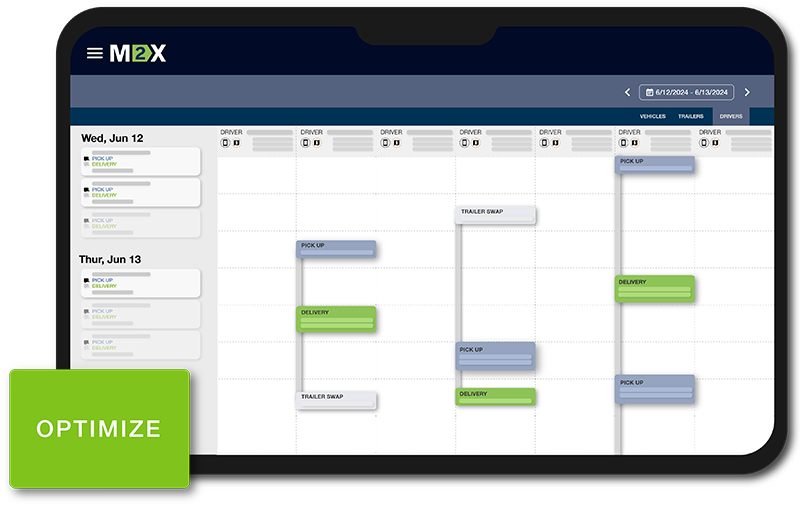
M2X is industry-specialized, cloud-native transportation management software built for the lubricant and fuels industry. M2X Energy TMS brings forecasting and order generation, route optimization and dispatch into one platform, across bulk and packaged lubricants, fuel and DEF. Dispatchers plan the full product mix in one place instead of juggling a fuel system, spreadsheets and paper pick tickets.
AI-driven optimization built into M2X plans dense, multi-stop routes around delivery windows, truck configurations and mixed bulk and packaged capacity. It also uses tank levels, consumption history and keep-full agreements to generate orders before customers have to call. On the road, drivers capture deliveries by line item through an integrated driver mobile app, including meter readings taken from the truck's electronic meters.
Back in the office, delivery and inventory data flows through to your ERP and accounting system. The order-to-cash cycle runs without rekeying, and invoices raised in your accounting package match what the customer actually received.
The distributors growing fastest today aren't the ones with the most trucks. They're the ones whose systems let every truck, route and dispatcher handle the full product mix without workarounds.
Frequently asked questions
Can one TMS handle both bulk fuel and packaged lubricants?
Yes. A modern TMS built for lubricant and fuels distributors treats bulk and packaged product as one operation. Bulk and packaged lines sit on the same order, each with its own unit of measure, so a single delivery can include bulk engine oil, drums of hydraulic fluid and cases of grease without separate systems or paper pick tickets.
How does demand forecasting work for keep-full customers?
Demand forecasting uses tank levels, consumption history and keep-full agreements to predict when each customer will need product. The software then generates orders automatically, so deliveries are driven by demand rather than a static route, and customers no longer have to call in orders before they run low.
Can fuel and lubes dispatch software manage DEF?
Yes. DEF now rides on many fuel and lubricant routes in bulk, totes and jugs, so dispatch software needs to plan it alongside fuel and lubricants. When DEF sits on the same orders and routes, trucks go out full and DEF deliveries don't need separate runs.
How does line-item proof of delivery reduce billing disputes?
Line-item proof of delivery (POD) lets drivers confirm exactly what was delivered, including meter readings for bulk product and quantities for each packaged item. That data flows straight to the back office, so invoices raised in your accounting system match what the customer received, with fewer disputes and credit memos.
What's the difference between a fuel-only TMS and one built for lubricant and fuels distributors?
A fuel-only TMS is typically built around gallons, compartment fills and a few large terminal-to-tank drops. A TMS built for lubricant and fuels distributors also handles packaged SKU's, multiple units of measure, dense multi-stop routes, tank monitoring and consigned inventory in one system.