Adopting a digitized, modern, and sustainability-led approach in transport management is essential for improving efficiency, profitability, and brand reputation throughout the supply chain. Managing transport remains complex at all stages, and how it is handled significantly influences your bottom line. Failure to adapt can result in rising costs, reduced productivity, and loss of customers who prioritize sustainable operations.
Sustainability means meeting current needs without compromising the future, and in transportation, this principle is often threatened by excessive fuel use, inefficiency, resource waste, poor route planning, risks to livestock welfare, and air pollution.
With climate change, emission regulations, and consumer expectations intensifying, sustainable transport is no longer optional - it is a strategic advantage.
Why Sustainability Matters:
- Customers demand environmentally responsible businesses - today's market actively chooses businesses that demonstrate real climate action and are clear about sustainability commitments.
- Increasing regulations on emissions and sustainable reporting - governments are tightening regulations and business standards to ensure better sustainability, resulting in negative consequences and reputational damage for brands that don’t adapt.
- Product and environmental waste, fuel use, and inefficiency all increase operational costs - optimizing resources, reducing emissions, and minimizing material waste streamlines processes, supports stronger cost control, and drives long-term financial gains.
- Sustainable supply chains perform better, cost less, and create long-term value - companies that embed sustainability into their operations can improve efficiency and gain a competitive advantage.
How Transport Management Software Can Help Reduce Emissions Without Sacrificing Performance
1. Environmental sustainability
Transport and logistics are major contributors to greenhouse gas emissions, primarily from vehicles that burn fossil fuels and emit carbon dioxide.
A TMS can improve environmental sustainability through:
- Route optimization to minimize distance and time - digital scheduling tools create smarter, more efficient routes that reduce mileage, improve truck utilisation, and streamline daily operations.
- Maximizing fuel efficiency and reducing fuel and resource waste - smarter planning and AI-driven optimization lower fuel consumption, cut unnecessary transport, and reduce emissions.
- Reducing operational waste - eliminating inefficient practices that lead to unnecessary labour, double handling of tasks, and workflow bottlenecks, lowering emissions and overall operating costs.
2. Economic sustainability
Excessive and inefficient transport increases operational costs, which reduces profitability.
Sustainable transport through a TMS enables businesses to:
- Lower costs - by removing inefficiencies in business operations, such as empty miles and inefficient routes, wasted fuel and labour hours are cut down, without compromising productivity.
- Build long-term solutions to benefit the business - accurate data and insights strengthen productivity and improve informed decision-making across the whole supply chain.
3. Social sustainability
Social sustainability incorporates a focus on fair treatment, community wellbeing, and positive operations for drivers, staff, and animals. A TMS can help businesses mitigate operational risks and increase transparency across day-to-day operations, and support driver compliance.
A TMS can improve social sustainability through:
- Fair and safe labor conditions - clear, digitized data prevents over-scheduling and reduces excessive working hours, with automated planning keeping routes efficient and compliant with regulations.
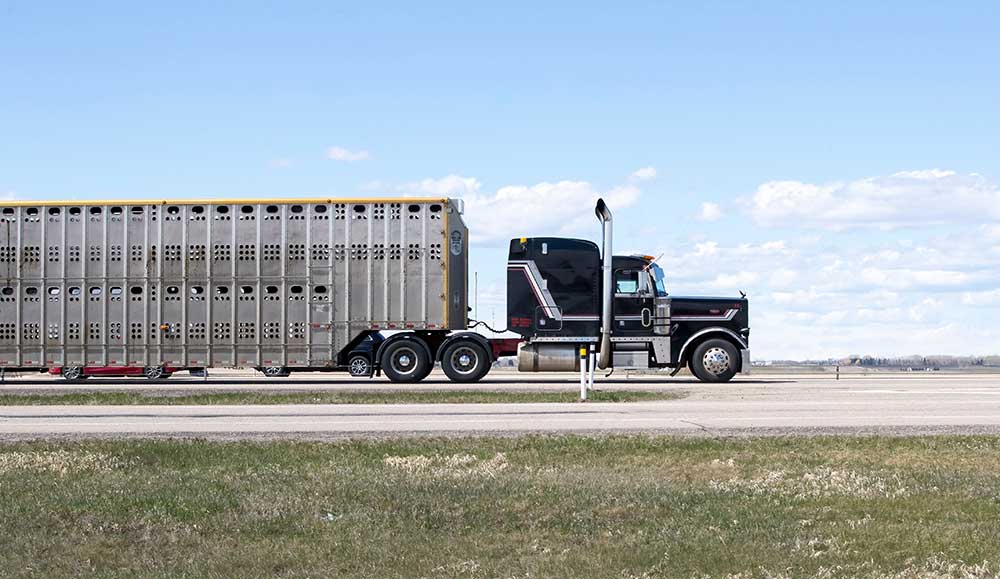
- Improved animal welfare - for transporters carting livestock, optimized routes cut unnecessary miles, while ensuring compliance with welfare standards, meaning animals spend less time on roads.
- Transparency across the supply chain - a transportation management system provides clear visibility for drivers, schedulers, site operators, accounts teams, and management, enabling businesses to communicate easily in real time.
As transport is optimized, fuel costs reduce, which limits resource overuse, streamlines operations, and cuts waste. This is sustainable transport. Businesses that embrace this save more, operate efficiently, and can outperform competitors. This too builds stronger trust for customers and stakeholders, and creates a positive reputation for the business.
Where M2X Ensures Advanced Sustainability
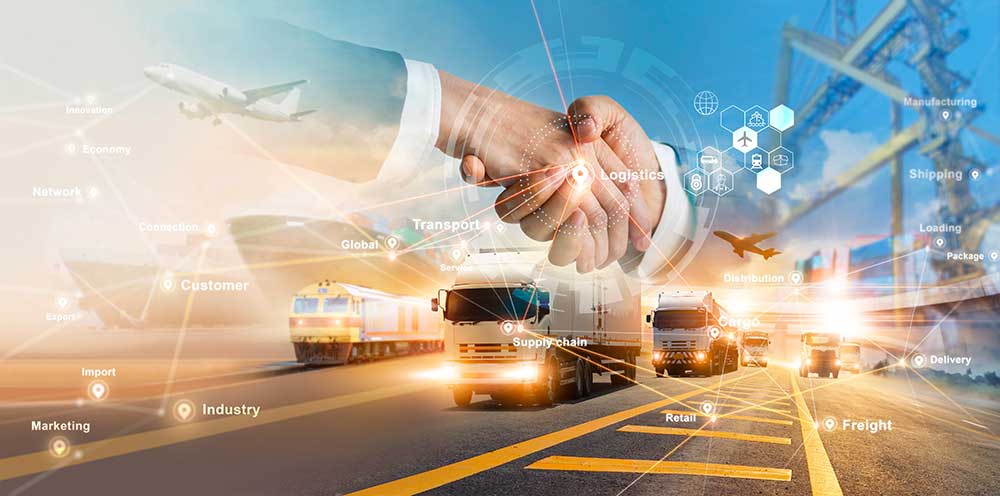
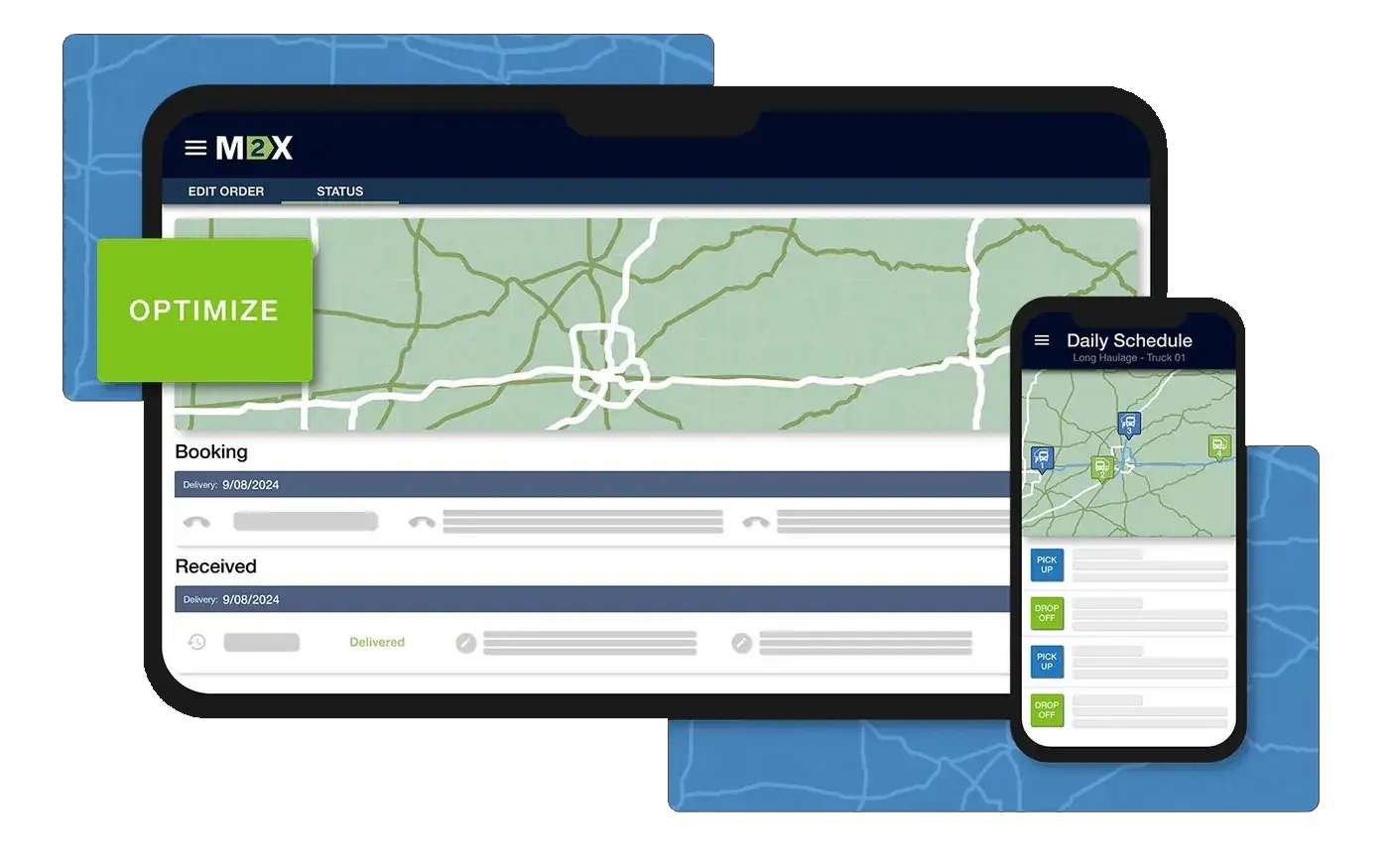
The M2X TMS is a key enabler for sustainable transport. M2X offers real-time visibility, route optimization, planning, automation, and data transparency. This interconnected ecosystem enables reduced transport emissions and resource waste, and strengthens logistics sustainability.
1. Sustainability Powered by Real-Time Data
Real-time data provides visibility into animal well-being, routing, and operational patterns. This shifts operations from reactive to data-driven. Overall, this enables real-time supply chain visibility, as our digitized data can highlight planned transport and route efficiency.
2. Optimizing Transport and Operations for Sustainable Efficiency
Digital planning means optimised routes and reduced paperwork. This improves efficiency and cuts both the environmental impact and operational costs. Making your life and the planet better.
3. Expand Accountability
Clear visibility throughout the transport journey builds communication and creates a connected, transparent sustainable supply chain.
4. Communicate Progress
By showing sustainability outcomes and goals, relationships with stakeholders are strengthened, and brand reputation is enhanced.
Real Sustainability Outcomes with M2X
Open Country Dairy is a large New Zealand-based dairy producer and exporter. Before M2X, Open Country relied heavily on spreadsheets and manual paper planning to dispatch its milk collection. By partnering with M2X to manage their transport, Open Country is able to move more liters of milk per kilometer and significantly reduce their fuel use and CO2 emissions.
Jess Greenwood, Logistics Improvement Coordinator shares: “The results we’ve had so far have been outstanding. We’ve had less man hours in our office with the M2X optimiser tool, it’s lowered our litres per kilometre footprint, and our carbon emissions have dropped.”
Another example is Foote Cattle Company, who are a family-owned and operated cattle feeding, farming, and trucking operation in the United States. Their experience with M2X demonstrates how sustainable transport improvements can support business stability and continuity over time.
Owner of company Greg Foote shares: “What I like about M2X is it helps our sustainability… as our kids get involved or new people step into the business, we’re able to have a system that is already built up, and we’re able to just put the keys in the ignition and hit go.”
Similarly, Silver Fern Farms has significantly benefited from partnering with M2X. Silver Fern Farms is a New Zealand-based company that processes and exports premium meat. Their company highlights the social and environmental benefits of efficient transport with M2X.
CEO Dan Boulton states: “The results to date have been exciting. We're on track for 1 million less kilometres for the same amount of work. That's via more utilised trucks, and means we can have less trucks on our rural roads, and we can have less carbon emissions per livestock animal movement.”
Conclusion
A data-driven approach to transport doesn’t just reduce emissions - it transforms business operations for the better. With smarter planning from a Transport Management System, transport routes are optimized, truck utilization improves, and total transport costs decrease, strengthening sustainability across the entire supply chain.
By embracing smarter, digitized transport with AI-driven optimization, efficiency will be boosted. As a result, you reduce your environmental impact and heighten business performance. The future of transport is smarter, cleaner, and more connected.