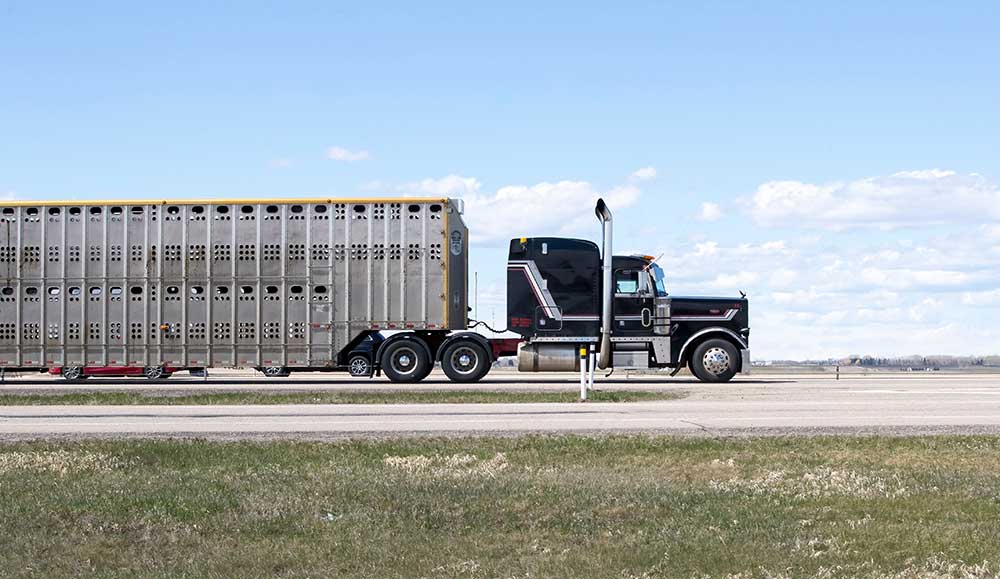
Spreadsheets struggle with the daily complexity of milk hauling: changes in milk supply- and plant demands, farm-to-plant pickup schedules that can be different each day, and tanker wash requirements that can decide which tanker can go where. A dairy transportation management system (TMS) handles what spreadsheets cannot, by holding every pickup, schedule, constraint, and litre of supply in one connected place and re-planning the run when conditions change.
Milk hauling is one of the most demanding transport jobs. Volumes from farms vary every day and shift season by season. Plant demands move with production schedules, contract orders, and finished-goods inventory. Tankers carry food-grade product on tight time windows, with product and temperature compliance constraints baked into every pickup. Dairy haulers across New Zealand, Australia, and the United States are increasingly moving off spreadsheets and onto purpose-built dairy TMS platforms, because the cost of getting milk runs wrong is no longer a back-office nuisance: it is missed pickups, late plant slots, detention costs, fuel waste, and even spilt/discarded milk loads.
What Goes Wrong When Milk Hauling Lives in Spreadsheets?
Spreadsheets are flexible, free, and familiar, which is why most dairy haulers still use them everyday. The problem is not the tool itself, it is what dairy work asks the tool to do.
A milk run is not a static route. Farm supply forecasts move with weather, feed, and herd conditions. Plant orders for raw milk, cream, condensed whey, or by-product transfers move with shift schedules and finished-goods demand. A spreadsheet captures a snapshot of all of this at one moment in time, but it cannot re-plan when supply from a farm changes overnight, or a processor changes the delivery location or plant delivery window.
The deeper problem is institutional knowledge. A senior dispatcher's view of farms, farm access, route/run configurations, drivers, and seasonal patterns lives between their ears and in a private tab on a workbook. One resignation or a keyboard slip, and months of routing know-how disappear. Bills of lading (BOL's) get re-keyed, milk dockets get lost between truck and office, and detention times at plants go unbilled because nobody had time to chase the paperwork.
Compliance and audit add a final layer. Food-grade transport demands traceable proof of delivery (POD's), temperature records, and CIP service logs. Spreadsheets can record those, but they cannot enforce them, and they cannot surface a missing field before the load leaves the farm gate.
What is a Dairy Transportation Management System and How is it Different From a Generic TMS?
A dairy transportation management system (TMS) is software that plans, dispatches, executes, and reconciles milk and dairy product movements end to end. It connects farm pickups, plant scheduling, tanker fleet management, driver workflows, detention tracking, and freight billing on one platform, with the supply-demand logic of dairy built in.
A generic transportation management system (TMS) treats a load as a load. A dairy TMS understands that a load is a litre count from a specific farm with a specific milk grade, headed to a plant that has a delivery window, CIP requirements, and a daily intake forecast it is trying to hit. The mechanics that matter most for dairy carrier software are:
- Farm milk production forecasting that estimates load-ready times and pickup volumes across the supply base
- Supply-demand matching that allocates supply loads to plant orders so empty running and unnecessary trips are cut out
- Tanker route optimization across multi-farm milk runs, and time windows
- Plant scheduling and estimated time of arrival (ETA) visibility so processors can manage incoming volumes and avoid yard congestion
- Detention tracking and settlements, so dwell at plants is captured automatically and billed accurately
- Digital driver workflows that replace paper run sheets, milk dockets, and BOL's with structured data captured in the cab
Generic logistics tools can do parts of this. Milk hauling software is built around the real world and specific factors of dairy transport, which is why dairy haulers tend to outgrow general-purpose platforms quickly.
How Does a Dairy TMS Reduce Empty Miles on Milk Runs?
Empty miles are the silent cost in milk hauling. A tanker dispatched to a single farm and back to plant runs heavy one way and light the other. Multiply that across a fleet and a season, and the cost of wasted miles is significant in fuel, driver hours, and emissions.
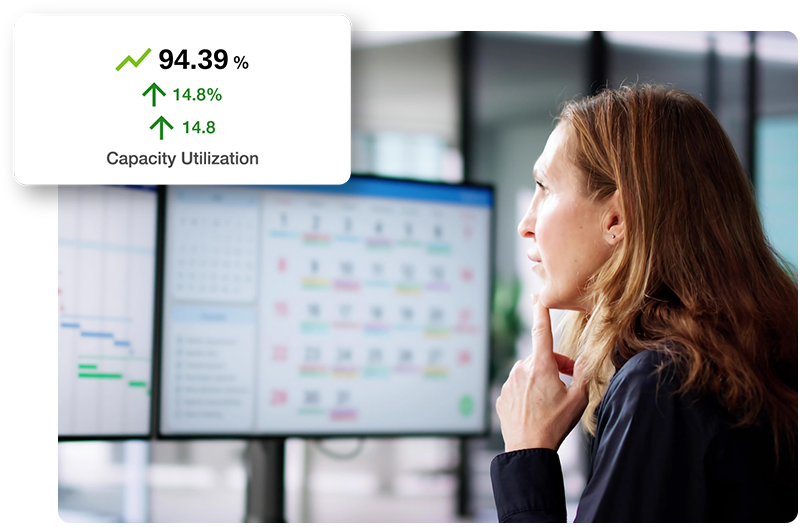
Dairy TMS platforms reduce empty miles in three key ways. First, they consolidate pickups by routes and areas, packing more farms into each run while respecting load-ready times and vehicle capacity contraints. Second, they match supply to demand dynamically, so a tanker that drops at one plant in the morning is positioned to backload product transfer work or finished goods in the afternoon. Third, they re-optimize the day as conditions change, rather than asking a dispatcher to mentally re-plan the schedule every time a farm supply forecast moves.
Operations that digitize milk hauling typically see meaningful reductions in miles driven, better tanker utilization, and lower fuel use per litre delivered, without adding trucks. Modern dairy transportation management software uses AI-driven optimization to evaluate millions of possible schedules against the real-world constraints of milk pickup, which is how those gains compound across a season.
Why is Institutional Knowledge Such a Risk in Dairy Transport?
Dairy dispatch is a knowledge-heavy job. A good dispatcher remembers which farms hold supply on what day, which drivers know which access gates, which plant manager prefers which delivery bay, and how to re-route when a tanker comes off the planned route. None of that lives in a spreadsheet in any structured way.
When that dispatcher is on leave, or moves on, the operation feels it immediately. Routing decisions slow down, drivers ask more questions, and key performance indicators (KPI's) like on-time pickups, plant slot adherence, and load utilization slip. Dairy haulers we work with describe this as key-person risk, and it is one of the biggest reasons spreadsheet-run operations look at a TMS.
A dairy TMS turns that knowledge into structured data including; location data, farm access requirements, route rules, driving time restrictions, CIP cycles, plant delivery windows, all stored, versioned, and visible to anyone who logs in. The dispatcher's view becomes the operation's playbook.
What Outcomes Do Dairy Haulers Typically See After Moving Off Spreadsheets?
The pattern across dairy operations that move from spreadsheets to a TMS is consistent, even if the exact numbers vary by carrier and region.
- Meaningful reductions in miles driven and fuel use, through tighter route optimization and less empty running
- Hours back in the day for dispatchers and back-office teams, because scheduling, detention billing and invoicing digitised rather than paper-based
- Faster order-to-cash cycle, because BOL's, POD's, detention, and freight rating flow through one connected system rather than three tabs and an email chain
- Fewer manual errors and re-entries between the cab, the dispatch desk, the plant, and the accounts office
- Better visibility for processors, with real-time tanker ETA's and incoming load volumes, so plant intake schedules hold up
- Reduced key-person risk, because farm, routes, and driver knowledge is captured in the platform rather than in one dispatcher's head
How Does M2X's Dairy Transportation Management Software Excel?
M2X is industry-specialized, cloud-native transportation management software built specifically for the unique challenges of the dairy industry. It is designed by industry experts and built on modern technology, with farm milk collection, product transfers, by-product transport, and finished goods movements coordinated in a single connected digital ecosystem.
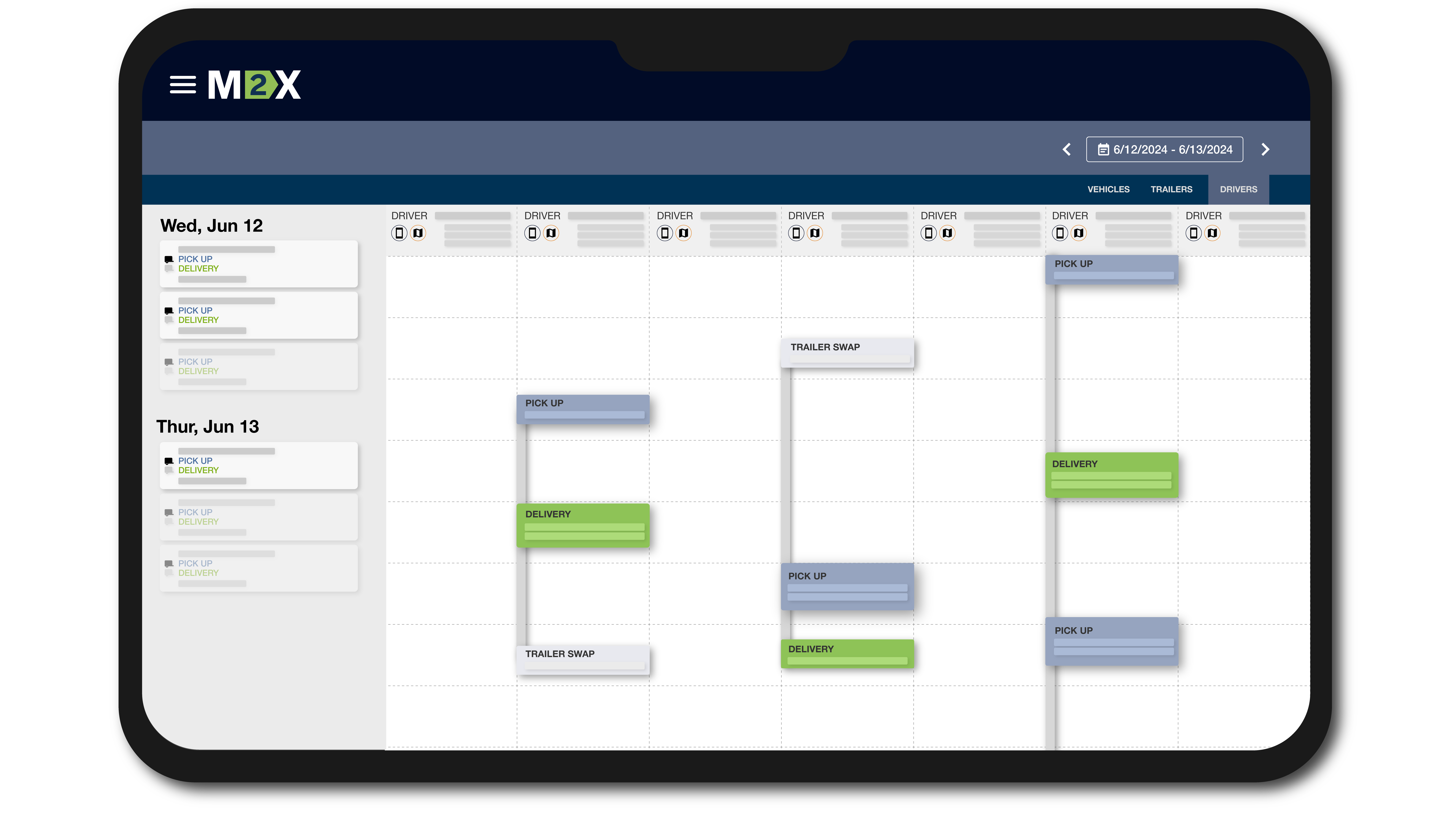
M2X's Carrier TMS handles the day-to-day work of milk hauling: scheduling farm pickups, allocating supply loads to plant orders, and optimizing tanker routes across multi-farm milk runs. Supply-demand matching automates the allocation of supply loads to plant demands, cutting empty running and unnecessary transport costs. AI-driven optimization built into M2X evaluates millions of potential schedules against time windows, vehicle capacities, and regulatory constraints, so dispatchers stop re-planning the day in their heads.
The M2X Driver App replaces paper run sheets and milk dockets with digital manifests, POD's, and automated reporting in the cab, with offline capability for rural pickup routes. Plant scheduling and ETA dashboards give processors a real-time view of incoming tankers and load volumes, with tanker booking slots and congestion-avoidance tools to keep yards moving. Detention tracking and settlements run automatically, so detention time at customer sites is billed accurately. Freight rating, invoicing, and driver settlements are digitized end to end, accelerating the order-to-cash cycle for the carrier and the enterprise.
The M2X ecosystem connects producers, drivers, haulers, processors, and brokers on the same data, so everyone is working from one source of truth across the whole dairy supply chain. Many of the dairy haulers we work with use this connected setup to scale with technology rather than headcount, while reducing transport spend and reducing emissions per litre delivered.
Streamline Your Dairy Hauling Operations With M2X
If your milk runs still live in a spreadsheet, the gap between what dispatchers can plan in their heads and what the season actually demands is widening every year. M2X's dairy hauling software gives dairy haulers and processors one cloud-native platform to plan, dispatch, execute, and reconcile every farm pickup, plant transfer, and finished-goods movement.
Book a demo to see M2X's Dairy TMS in action, or explore AI-driven optimization to see how the scheduling logic works under the hood.